

If you’ve been scrolling through TikTok, texting with friends, or scrolling Instagram comments lately, you’ve probably encountered the word “Pookie.” Whether it appeared in a cute caption, a flirty message, or a playful comment from your best friend, this seemingly innocent word has become one of the most searched slang terms online. In fact, Pookie ranks among the most confusing Gen Z words, with hundreds of thousands of people searching for its meaning every month.
The beauty of modern slang lies in its adaptability. Unlike formal language, internet slang like “Pookie” evolves rapidly across social platforms, changing slightly in tone and meaning depending on context, relationship, and the person using it. This guide breaks down exactly what Pookie means, how people use it, and why it’s become such a staple in digital communication.
What Does “Pookie” Mean?
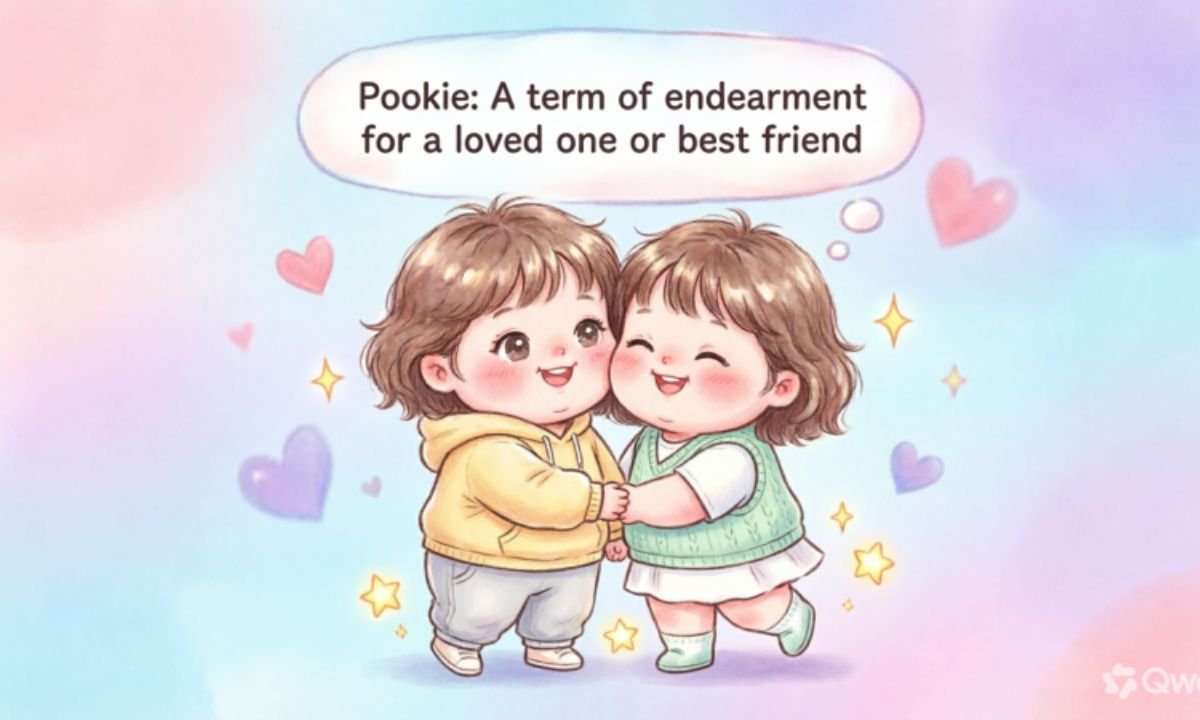
At its core, Pookie is a term of endearment a cute, affectionate nickname used to express love, care, or playful closeness toward someone special. Think of it like calling someone “sweetie,” “honey,” “babe,” or “cutie pie,” but with a distinctly Gen Z flair that feels more modern and playful.
The word itself isn’t an acronym or abbreviation. It’s simply a straightforward term used to show affection without needing explanation. When someone calls you their “Pookie,” they’re essentially saying you hold a special place in their heart or life.
Key Characteristics of Pookie:
- Affectionate: Always conveys positive feelings
- Flexible: Works for romantic partners, best friends, family members, or even pets
- Playful: Carries a light, fun tone rather than being overly serious
- Context-dependent: Meaning shifts slightly based on relationship and situation
- Modern: Particularly popular among Gen Z and younger millennials
Read More: Calloway Meaning in Slang: Definition, Uses & Examples
Pookie Meaning in Texting
When someone texts you “Pookie,” the meaning depends heavily on your relationship with them and the overall tone of the conversation. In text messages, Pookie works as both a standalone greeting and as part of a longer sentence, adapting to different messaging styles.
How Pookie Appears in Texts:
| Context | Example | Meaning |
| Romantic relationship | “Hey Pookie, missing you 💕” | Affectionate greeting from partner |
| Close friendship | “What’s up, Pookie? Let’s hang later” | Familiar, friendly nickname |
| Parent to child | “Come here, Pookie. Dinner’s ready!” | Tender, loving term from parent |
| Playful teasing | “Pookie thinks they’re so cool” | Lighthearted, joking reference |
| Pet-related | “My little Pookie is sleeping” | Cute nickname for a beloved pet |
In texting, Pookie removes the formality of communication. It signals intimacy without being overly romantic unless context clearly indicates otherwise. The key is that the person using it feels close enough to you to use a cute, casual nickname which itself is a form of affection.
Why Do People Call Someone “Pookie”?
Understanding why someone uses “Pookie” requires looking at human communication patterns. People don’t randomly assign nicknames they’re chosen for specific reasons that relate to relationships and emotional connection.
Main Reasons Behind Using “Pookie”:
- To Express Affection: The primary reason is to show genuine care and love in a cute, approachable way.
- To Create Closeness: Nicknames build intimacy. Using “Pookie” signals that a relationship has moved beyond formal interaction.
- To Add Playfulness: Pookie carries a lighthearted, fun tone that makes communication feel less serious and more enjoyable.
- To Show Comfort: Calling someone by a cute nickname suggests emotional comfort and familiarity.
- To Establish Inside Language: Couples, best friends, and close families often develop their own nicknames as a form of bonding.
- To Signal Belonging: On social media, using “Pookie” shows others that someone is special to you they’re part of your inner circle.
Is “Pookie” a Romantic Nickname?
This is one of the most common questions people ask, and the answer isn’t straightforward. Pookie can be romantic, but it isn’t exclusively romantic.
The word exists on a spectrum. It can mean something deeply romantic between partners, playfully flirty between people who are interested in each other, friendly between close friends, or affectionate between family members. The romantic element depends entirely on:
- The relationship: Are they your partner, friend, or family member?
- The tone: Is the message flirty, warm, or casual?
- The context: Is it used publicly or in private messages?
- Additional cues: Emojis, follow-up messages, and conversation history provide context.
Example scenarios:
- Between romantic partners: Very romantic (“I love you so much, Pookie 💕”)
- Between close friends: Affectionate but not romantic (“Let’s grab coffee, Pookie!”)
- From parent to child: Tender and protective (“My little Pookie, you’re growing up so fast”)
- In a flirty context: Can signal romantic interest (“You’re looking extra cute today, Pookie 😉”)
So while Pookie can be romantic, it’s not inherently romantic. Context is everything.
What Does Pookie Mean When a Girl Says It?
When a girl calls you “Pookie,” she’s usually indicating that you’re important to her. However, exactly how important depends on your relationship.
If it’s from a girl you’re interested in:
- It might signal romantic interest or flirtation
- She’s comfortable enough with you to use a cute nickname
- There’s a playful tone in your interactions
If it’s from a female friend:
- She views you as close and trustworthy
- It’s a sign of friendship and camaraderie
- She’s being affectionate in a platonic way
If it’s from a family member:
- It’s an expression of love and protectiveness
- She’s being nurturing and caring
The best approach is to observe the overall tone of your interactions. If her other messages are also flirty and affectionate, there might be romantic interest. If it’s mixed with casual, friendly banter, it’s likely just closeness.
What Does Pookie Mean When a Guy Says It?
Similarly, when a guy calls you “Pookie,” he’s signaling that you matter to him. The specific meaning depends on your relationship and his communication style.
From a romantic partner:
- He’s being affectionate and showing emotional connection
- It’s a term of endearment indicating you’re his person
- He’s comfortable expressing feelings
From a close friend:
- He trusts and values the friendship
- He’s showing that you’re in his inner circle
- It’s platonic affection
From family:
- It’s protective, loving behavior
- He’s being tender and expressive
Interestingly, some guys might use “Pookie” in a more joking or ironic way, especially on social media. In these cases, it’s playful ribbing rather than genuine romantic interest. Reading the broader context of his messages helps clarify his intent.
How Teens Use “Pookie”
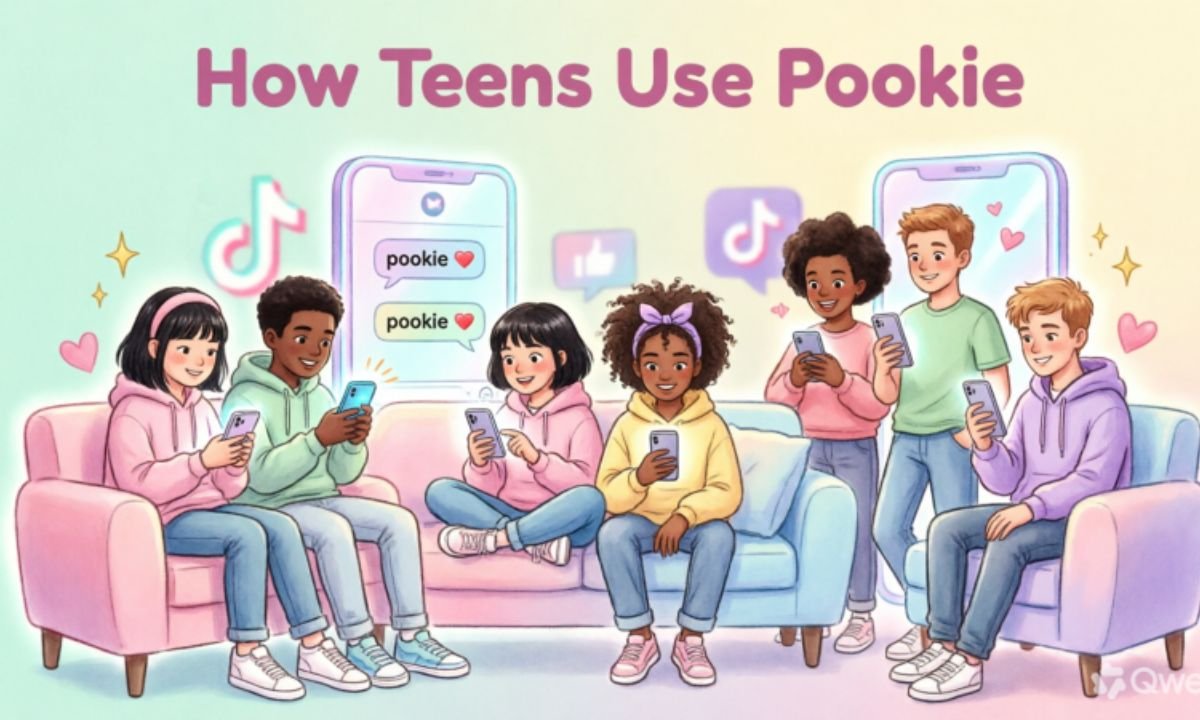
Gen Z and younger teens have made “Pookie” a cornerstone of their digital slang vocabulary. The term has become particularly popular on platforms where teens gather, communicate, and express themselves.
Teen Usage Patterns:
On TikTok:
- Used in captions and comments to show affection for creators
- Appears in couple videos and relationship content
- Featured in funny skits and ironic humor
- Used as hashtags (#pookie, #pookiebear)
In Group Chats:
- Quick, easy way to show affection to multiple friends
- Part of inside jokes and group identity
- Often combined with emojis and other slang
On Instagram:
- In captions about relationships or friendships
- As comments on friends’ posts
- In stories with close friends
In Private Texts:
- Most intimate and genuine use
- Shows real emotional connection
- Often accompanied by hearts and loving emojis
Teens appreciate “Pookie” because it’s cute without being cringey, romantic without being too serious, and versatile enough to work in almost any context. It’s part of their evolving language that helps them express emotions that older generations might struggle to articulate.
Pookie Meaning in Social Media
The rise of social media particularly TikTok, Instagram, and Snapchat has transformed “Pookie” from a casual nickname into a cultural phenomenon. Each platform has developed its own flavor of how the term is used.
Platform Breakdown:
| Platform | Usage Style | Common Context |
| TikTok | Playful, expressive, viral | Couple videos, trend participation, relationship content |
| Casual, aspirational | Captions, comments, couple photos | |
| Snapchat | Quick, intimate | Private messages, close friend stories |
| Twitter/X | Humorous, supportive | Comments on tweets, fan support, inside jokes |
| BeReal | Candid, authentic | Authentic friend moments, genuine affection |
On TikTok especially, “Pookie” has become trending because creators use it to build parasocial relationships with their audiences. Viewers feel closer to creators when they’re addressed as “Pookie,” creating a sense of belonging to a community.
The viral nature of social media means new meanings can emerge quickly. While the core meaning stays the same affection and closeness the context and tone shift based on how influencers and creators use the term.
Examples of “Pookie” in a Conversation
Real-world examples help clarify how “Pookie” actually works in conversation:
Example 1: Romantic Context
- Person A: “I can’t wait to see you tomorrow, Pookie! 💕”
- Person B: “Me too! Missing you so much right now.”
- Meaning: Affectionate communication between partners
Example 2: Friendship
- Person A: “Hey Pookie, wanna grab coffee later?”
- Person B: “Always! My favorite spot?”
- Meaning: Close friends making plans casually
Example 3: Flirting
- Person A: “You looked really cute today, Pookie 😉”
- Person B: “Thank you! You always know how to make me smile”
- Meaning: Playful flirtation with romantic undertones
Example 4: Social Media
- Comment: “Your content is amazing, Pookie! Love you so much 💕”
- Meaning: Fan expressing appreciation and connection to a creator
Example 5: Family
- Parent: “Come here, Pookie. I made your favorite snack.”
- Child: “Thanks, Mom! You’re the best.”
- Meaning: Tender expression of parental love
Example 6: Pet-Related
- Post caption: “My little Pookie decided to nap on my lap today 🐾”
- Meaning: Affection toward a beloved animal
These examples show that “Pookie” is fundamentally flexible. The same word carries different emotional weight depending on who’s using it, who it’s directed toward, and what the relationship is.
How to Respond When Someone Calls You “Pookie”
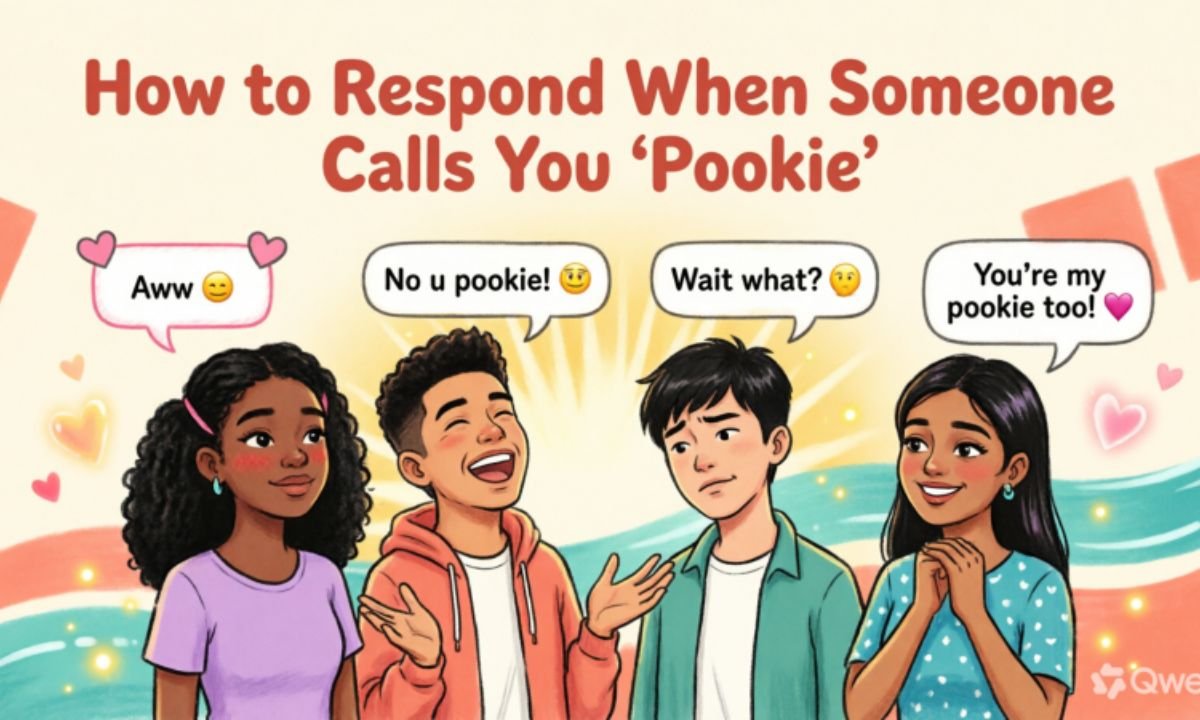
Your response should match the tone and context of how “Pookie” was used. Here are appropriate ways to respond:
Response Strategies:
If it’s romantic:
- Return the affection: “Pookie misses you too 💕”
- Use a playful response: “Well hello there, cutie”
- Match their energy: Mirror their tone and emojis
If it’s friendly:
- Keep it casual: “What’s up, friend!”
- Use humor: “Pookie at your service!”
- Return the nickname: “Hey, Pookie!”
If you’re unsure about the intent:
- Ask directly: “Is this romantic or just friendly?”
- Respond warmly but neutrally: “Hey! How are you?”
- Observe their other messages for context clues
If someone you don’t know well uses it:
- It’s generally safe and friendly
- You can respond casually without overthinking
- A simple, warm response shows you appreciate the friendliness
If you don’t like the nickname:
- Politely let them know: “I prefer [your name], but thanks!”
- People generally appreciate directness
- Most people won’t be offended by this request
The key is responding authentically. If you’re uncomfortable with the nickname, it’s okay to address it. If you like it, lean into it and reciprocate the affection.
Is “Pookie” a Good or Bad Word?
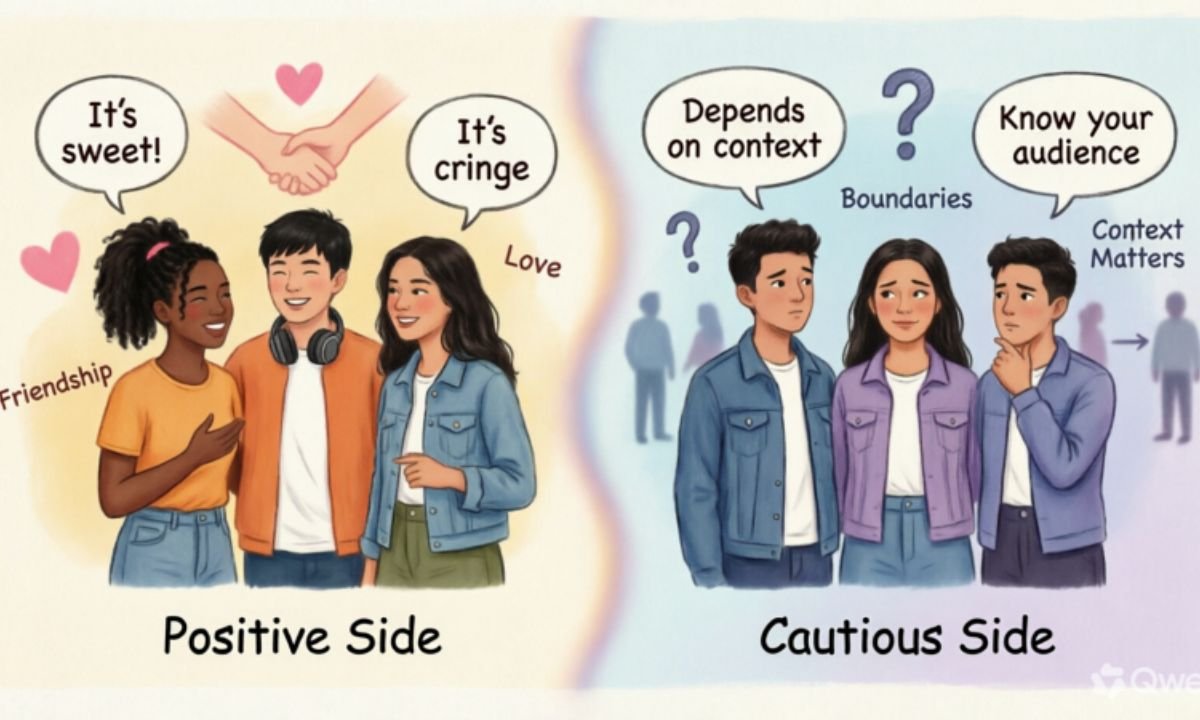
Straight answer: “Pookie” is neither good nor bad it’s neutral slang that becomes positive or negative based on context and intent.
Why Pookie is Generally Positive:
- ✅ It always conveys affection and care
- ✅ It’s not offensive, derogatory, or insulting
- ✅ It doesn’t mock or belittle anyone
- ✅ It builds connection and belonging
- ✅ It’s age-appropriate for teens and adults
Potential Concerns Parents Might Have:
Some parents worry about slang because they don’t understand it. However, “Pookie” is genuinely one of the most wholesome slang terms in teen vocabulary. It’s actually preferable to many other terms teens could use.
Is it appropriate for school? Generally, yes, as long as it’s used respectfully and not disruptive.
Is it disrespectful to parents? No. It’s a peer-to-peer term, not something that would come across as rude to authority figures.
Could it hide something? Not really. Unlike some slang terms with double meanings, “Pookie” is straightforward affection is affection.
The only real “risk” is if someone uses it mockingly or sarcastically, which changes the tone entirely. But that’s true of any nickname.
Read Also This: What Does Emphasize Mean? Definition, Examples & Easy Explanation
Final Thoughts on Pookie Meaning
“Pookie” represents how modern language evolves. A term that started as a 1960s term of endearment has been revitalized by Gen Z, exploded on social media, and become a universal way for young people to express closeness without overthinking it.
What makes “Pookie” special isn’t the word itself it’s what it represents: a desire for authentic, playful connection in an increasingly digital world. In a time when communication is often formal or impersonal, “Pookie” offers a refreshing shortcut to intimacy.
Whether you’re using it with a romantic partner, close friend, family member, or beloved pet, the message is the same: You matter to me.
As language continues to evolve, “Pookie” will likely remain in teen and young adult vocabulary. It’s harmless, wholesome, and genuinely helps people express emotions they might otherwise struggle to articulate. That’s what makes it more than just slangit’s a reflection of how Gen Z communicates with authenticity and playfulness.
If someone calls you “Pookie,” take it as a compliment. You’ve made it into their inner circle.
Frequntly Asked Question
Is Pookie only used for romantic partners?
No. While it can be romantic, “Pookie” is equally used for close friends, family members, and pets. Context determines the meaning.
Did Pookie become popular because of TikTok?
TikTok accelerated its popularity, but the term has existed since the 1960s. Social media amplified its reach among Gen Z.
Can I use “Pookie” with people I just met?
It’s better to wait until you’ve built rapport. Using “Pookie” too early might seem presumptuous or inappropriate.
What’s the difference between Pookie and Pookie Bear?
“Pookie Bear” is a playful variation that adds extra cuteness. Both mean the same thing, but “Pookie Bear” is more exaggerated and affectionate.
Is it weird if someone calls me Pookie and I don’t know why?
Not necessarily. They might just find you likeable and want to show friendliness. You can always ask them what they mean by it.
Does Pookie have any negative meanings I should know about?
In extremely rare regional contexts, it’s had other meanings, but in modern internet slang, it’s exclusively positive and affectionate.
Should I teach my kids what Pookie means?
Yes. It’s a wholesome term that helps them understand teen communication. Teaching them slang meanings improves parent-child communication about digital language.
Conclusion
“Pookie” is proof that language is living, breathing, and constantly evolving. What started decades ago as a family nickname has transformed into a cornerstone of Gen Z communication a word that bridges the gap between formal affection and genuine connection.
If you’ve ever wondered why “Pookie” became so confusing and ubiquitous, now you understand: it works because it’s simple, it’s cute, and it universally communicates that someone is special to you. Whether in texts, TikTok videos, Instagram captions, or group chats, “Pookie” does one thing consistently it brings people closer.
So next time someone calls you their “Pookie,” smile. You’ve been welcomed into their world. 💕
